Choose around your players and playing conditions.
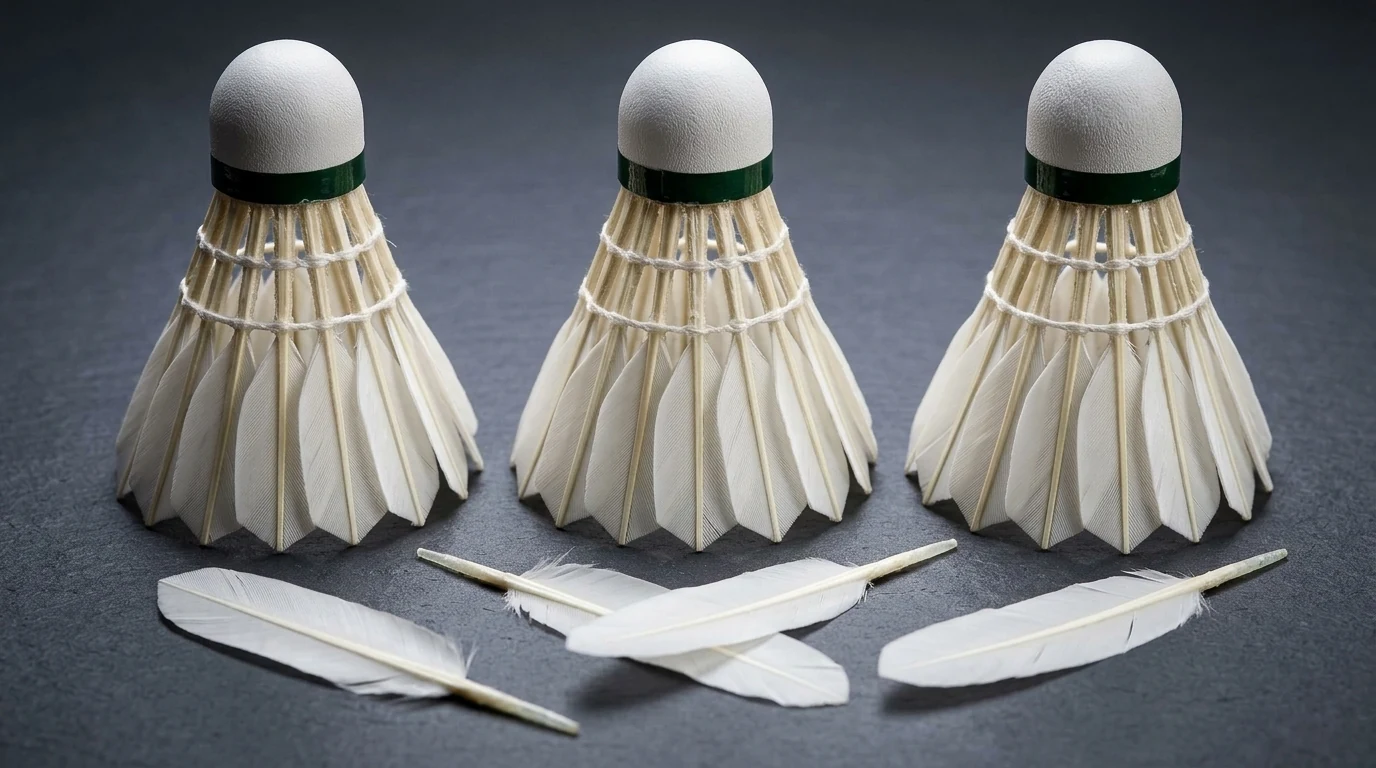
Start with the intended use: regular training, club sessions, recreational play or matches. Review the feather or skirt material, head construction, speed options and packaging for each shortlisted model.
Your sampling checklist
Playing use and typical conditions
Preferred material and head construction
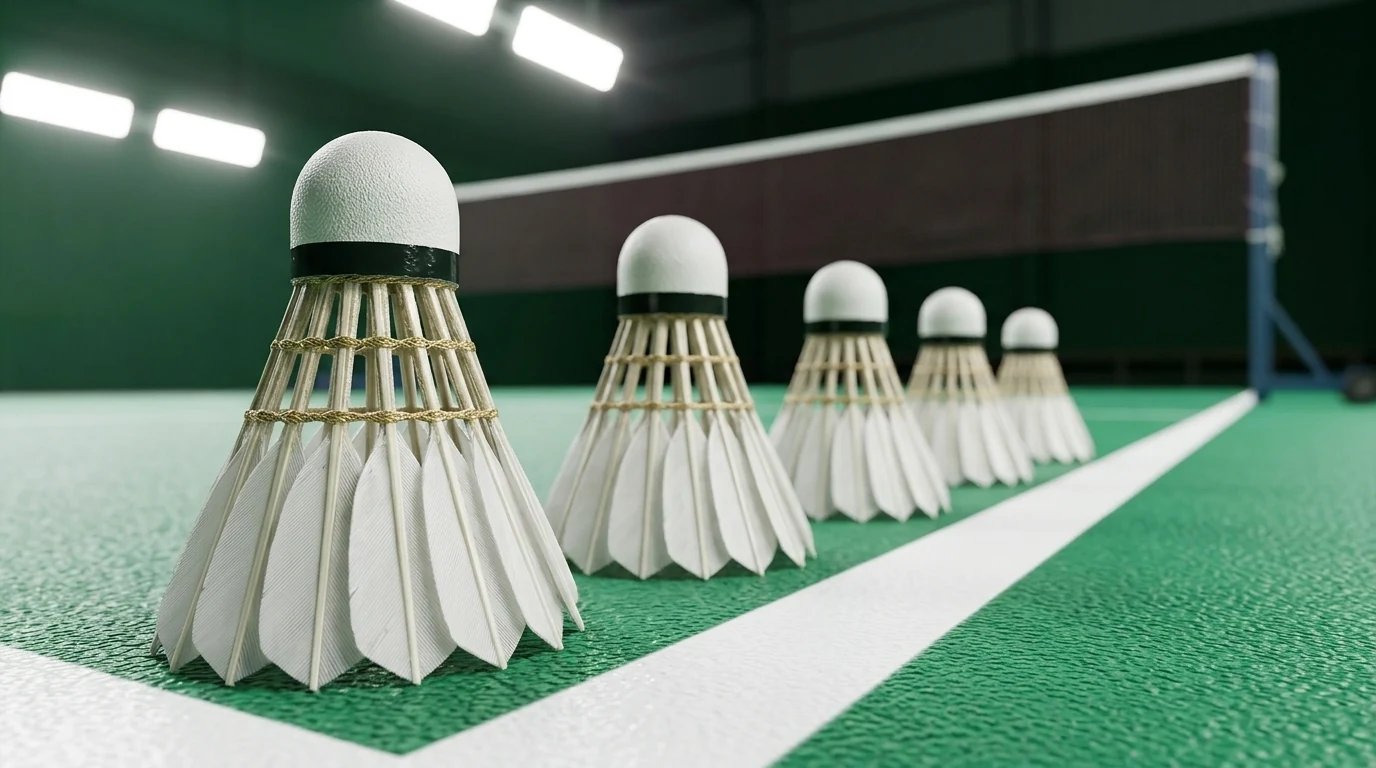
Speed numbers to evaluate
Required pack format and expected volume
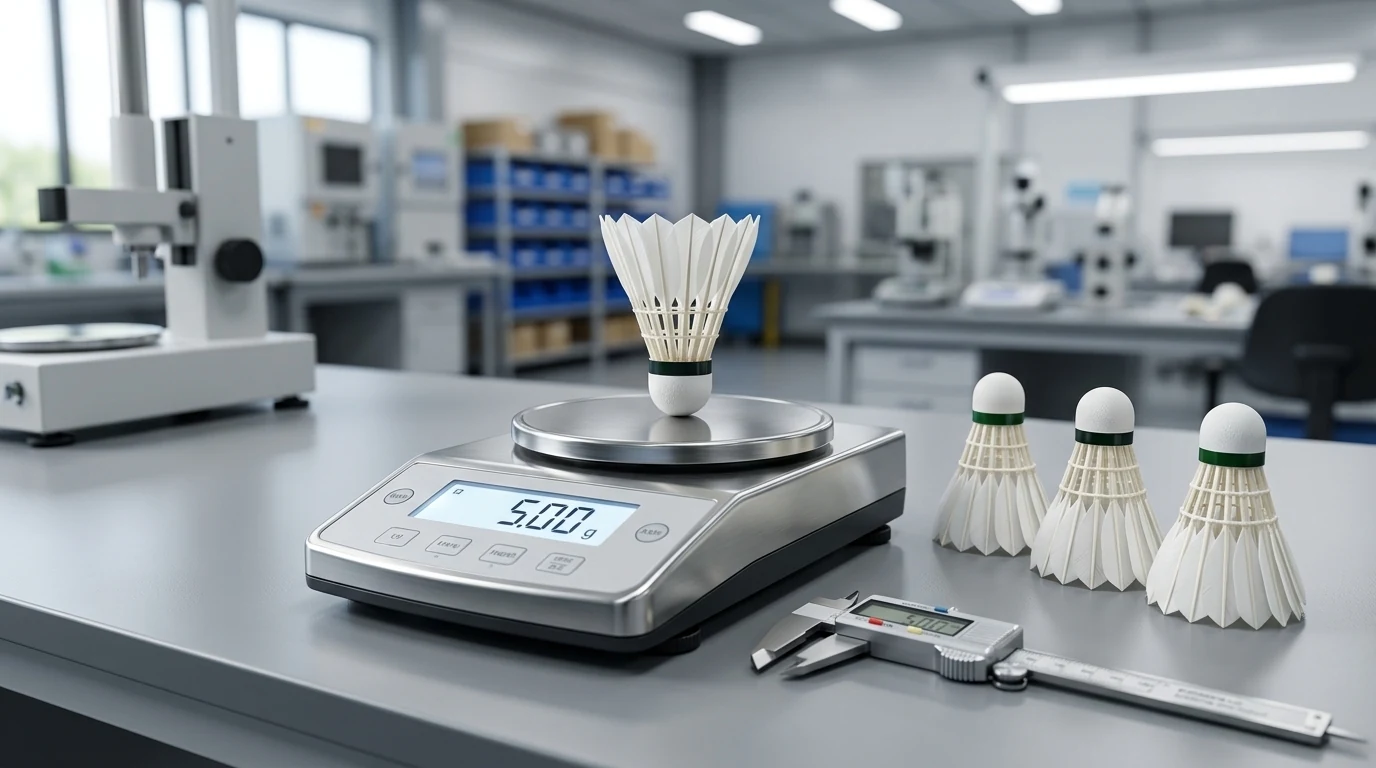
Evaluate samples on your own courts before confirming a bulk order. Ask us to confirm available speed options, sample costs and current specifications.
Turn your requirements into a better sourcing brief.
Describe who will use the racket and the market you are buying for. Record your preferred material, weight, balance, grip and stringing requirements so models can be compared consistently.
Your specification checklist
Intended player level and playing use
Frame material, weight and balance preference
Grip size and stringing requirements
Branding, packaging and planned quantities
Ask for confirmed model specifications and sample options. Keep your requirements separate from features that still need confirmation.
Build a complete range, one clear enquiry at a time.
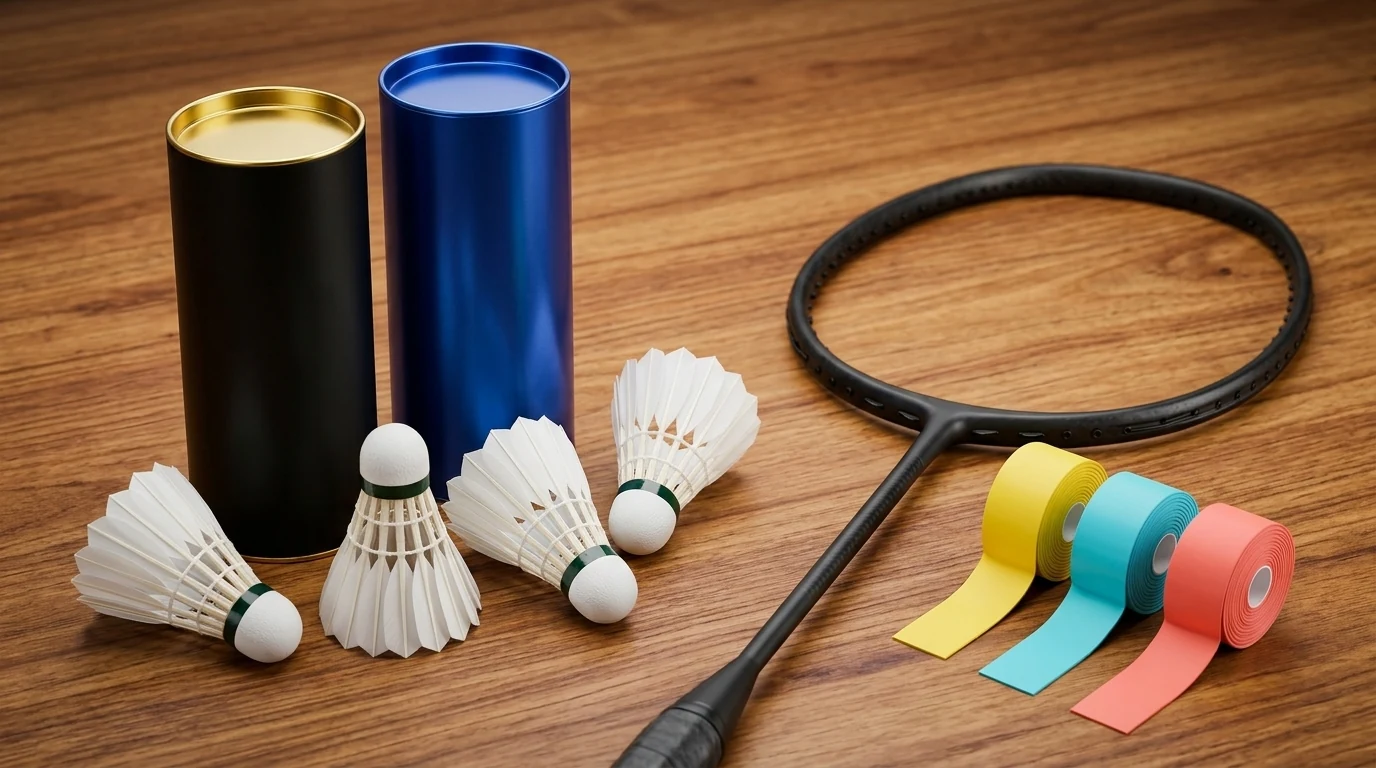
Group the products your customers or players need: shuttles, rackets, bags, strings and grips. Use the enquiry list to keep your shortlisted products together, then add quantities and destination details.
Your order checklist
Products and quantities by category
Required samples and branding
Packing details for every product
Destination and target delivery timing
Packing formats and minimum quantities can differ across categories. Confirm them separately before planning a combined shipment or booking freight.
Stout, straight shaft with crisp impact sound and strong structural stability
Reliable mid-court trajectory and balanced durability-to-cost ratio for regular games
US$ 17.40 – US$ 23.10 / tube
Regular club nights, university leagues, inter-club fixtures and retail stock
Washed water duck feather (Selected / Natural)
High-temperature washed and sorted duck feathers built for economical multi-shuttle drills
Predictable training flight for repetitive feeding and coaching sessions
US$ 11.90 – US$ 16.20 / tube
Badminton academies, school PE programmes, coaching drills and entry retail
Comparison of two-piece composite, three-layer composite and natural cork shuttlecock heads
Cork head construction
Core structure
Repulsion & string-bed feel
Durability in club halls
Two-piece composite cork (Soft fibre + cork)
Engineered top collar bonded to a natural cork hitting base
Clean, economical rebound suited to moderate-to-high string tensions (22–26 lbs)
Good shape retention for coaching and standard club sessions
Three-layer (3-piece) composite cork
Top collar + reinforced middle buffer + high-density natural cork base
Crisp tournament sound, balanced centre of gravity and consistent net control (24–30 lbs)
High resistance to cork softening or feather-socket loosening over extended rallies
BUYING GUIDE FAQ
Technical & sourcing answers.
Common questions from clubs, coaches and importers evaluating badminton equipment.
Which shuttlecock speed (75, 76, 77, 78 or 79) should I order for my region?
Speed 77 is the international benchmark for temperate indoor halls (16–22 °C / 61–72 °F) at sea level. Order Speed 76 for warm/humid venues (22–28 °C / 72–82 °F) or moderate altitude, Speed 75 for tropical heat or high altitude, and Speed 78 for cold halls (10–15 °C / 50–59 °F).
How should I specify badminton rackets for a club or private-label enquiry?
State the unstrung weight class (3U: 85–89 g, 4U: 80–84 g, 5U: 75–79 g), grip circumference (G4, G5 or G6), balance profile (head-heavy, even-balance or head-light), shaft stiffness (flexible, medium or stiff), maximum string tension (e.g. 26–30 lbs) and whether rackets should ship unstrung or pre-strung.
LET’S BUILD YOUR NEXT ORDER
Your range. Your requirements.
Bring your shortlist or tell us what you’re looking for.